Healthy veins play an essential role in keeping your blood circulating efficiently throughout your body. When veins struggle to move blood back to the heart, you may begin to notice symptoms such as aching legs, swelling, visible varicose veins, or spider veins. While some risk factors—such as age, genetics, and pregnancy, cannot be changed, many daily habits can help support healthy circulation and reduce the likelihood of developing vein problems.
At Vein Institute of Pittsburgh, we encourage patients to take a proactive approach to vein health. Here are several simple lifestyle changes that can make a meaningful difference.
Stay Active Every Day
One of the best things you can do for your veins is to keep your body moving. Physical activity helps your calf muscles act as a “pump,” pushing blood upward from your legs and back toward your heart.
You don’t have to complete intense workouts to improve circulation. Activities such as:
- Walking
- Swimming
- Cycling
- Yoga
- Low-impact aerobics
can all promote healthy blood flow while placing minimal stress on your joints.
If you have a desk job or spend long periods standing, make it a goal to move every 30 to 60 minutes. Even a short walk around the office or a few calf raises can help prevent blood from pooling in your legs.
Maintain a Healthy Weight
Excess body weight places additional pressure on the veins in your legs. Over time, this increased pressure can weaken vein walls and valves, making it harder for blood to circulate properly.
Maintaining a healthy weight through balanced nutrition and regular exercise can reduce strain on your vascular system and lower your risk of developing varicose veins or worsening existing vein disease.
Even modest weight loss can improve circulation and reduce leg discomfort for many individuals.
Eat Foods That Support Circulation
Your diet plays a larger role in vein health than many people realize.
Focus on eating foods rich in:
- Fiber to prevent constipation, which can increase pressure in leg veins
- Potassium to help reduce fluid retention
- Vitamin C to support healthy blood vessels
- Flavonoids, which may improve circulation
Excellent choices include:
- Leafy green vegetables
- Citrus fruits
- Berries
- Whole grains
- Beans
- Nuts
- Fish rich in omega-3 fatty acids
It’s also helpful to limit excessive sodium intake, as too much salt can contribute to swelling and water retention.
Stay Hydrated
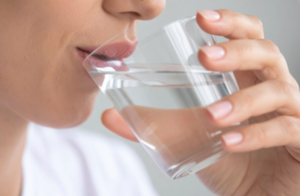
Proper hydration helps your blood flow more efficiently throughout your body. Drinking enough water also supports healthy circulation and can reduce the likelihood of fluid retention.
Carry a reusable water bottle throughout the day and aim to drink water consistently, especially during warmer weather or after exercise.
Elevate Your Legs
If your legs feel tired or swollen after a long day, elevating them above the level of your heart for 15 to 20 minutes can encourage blood to flow back toward your heart.
This simple habit may help reduce:
- Swelling
- Leg fatigue
- Aching
- Mild discomfort
Many people find it beneficial to elevate their legs in the evening while reading or watching television.
Avoid Sitting or Standing for Too Long
Remaining in one position for extended periods allows blood to pool in the lower legs.
If you sit for work:
- Stand up every hour.
- Stretch your legs.
- Walk around whenever possible.
- Rotate your ankles while seated.
If your job requires prolonged standing:
- Shift your weight frequently.
- Walk in place during breaks.
- Perform calf raises throughout the day.
Small movements throughout the day help keep blood circulating.
Wear Compression Stockings When Recommended
Compression stockings apply gentle pressure to your legs, helping veins move blood more efficiently toward the heart.
These specially designed stockings may help:
- Reduce swelling
- Improve circulation
- Ease leg discomfort
- Slow the progression of certain vein conditions
If you’re unsure whether compression stockings are appropriate for you, a vein specialist can recommend the right compression level and fit.
Choose Comfortable Footwear
High heels can limit the natural pumping action of your calf muscles. While wearing heels occasionally is perfectly fine, supportive shoes with lower heels are generally better for long-term circulation.
Comfortable footwear encourages normal walking mechanics and helps your leg muscles work more efficiently.
Don’t Ignore Early Symptoms
Many people assume varicose veins are simply a cosmetic concern, but they can be an early sign of underlying vein disease.
Schedule an evaluation if you experience:
- Leg heaviness
- Aching or throbbing
- Swelling
- Nighttime leg cramps
- Itching around visible veins
- Skin discoloration near the ankles
- Bulging varicose veins
Early diagnosis often leads to simpler, more effective treatment options before symptoms become more severe.
Know When Professional Care Is Needed
Lifestyle changes are an excellent way to support vein health, but they cannot reverse damaged vein valves or eliminate existing varicose veins.
If you’re experiencing persistent symptoms, modern vein treatments can provide lasting relief with little downtime. Minimally invasive procedures are designed to improve circulation, reduce discomfort, and enhance the appearance of affected veins.
At Vein Institute of Pittsburgh, our experienced team provides comprehensive evaluations and personalized treatment plans based on your individual needs. Whether you’re looking to prevent future vein problems or address current symptoms, we’re here to help you maintain healthy, comfortable legs for years to come.
Healthy veins start with healthy habits. By staying active, eating a balanced diet, maintaining a healthy weight, and seeking care when symptoms arise, you can support better circulation and protect your long-term vascular health.